

Video 1
04/12/2025
(Dantri) – Once relying solely on their maize fields, the family of Ms. Shi Mei in China now earns around 10,000 USD (approximately 255 million VND) each year by selling rooftop solar power back to the local grid.
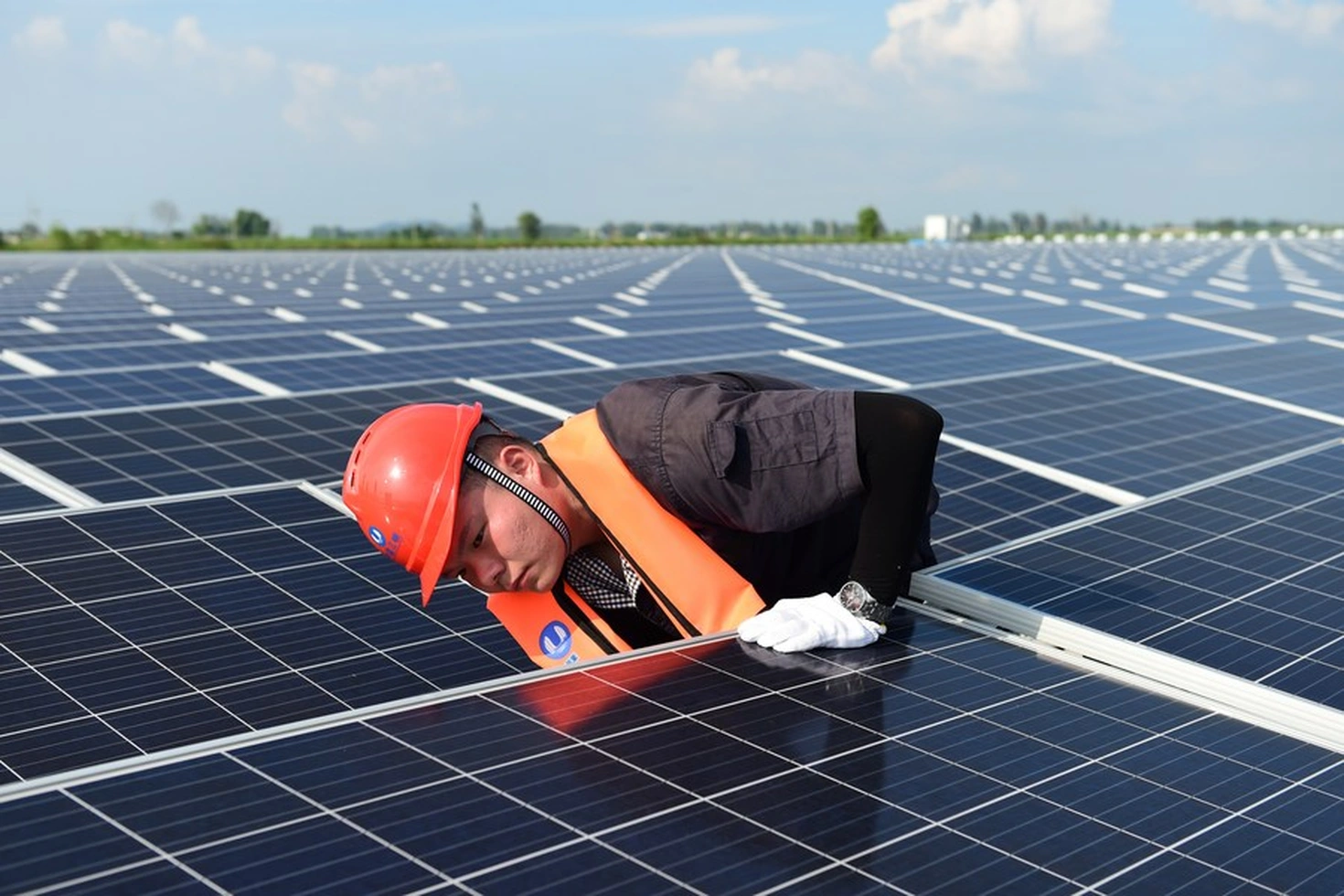
The family of Ms. Shi is just one example of China’s booming rooftop solar movement.
Although the country has long dominated global solar panel manufacturing, residential rooftop installations were once relatively uncommon. That has shifted dramatically in recent years as the Chinese government prioritizes cutting greenhouse-gas emissions and accelerating the transition to a green economy.
China aims for 20% of its energy to come from renewable sources by 2025. To meet this goal, Beijing has introduced generous incentives for local authorities and businesses to expand green development. As a result, both the production and installation of solar panels have surged. Most of China’s rooftop solar capacity has been added in just the past two years.
However, the rapid expansion has strained local power grids. Several cities across Shandong Province, including Ms. Shi’s village, have begun temporarily halting new rooftop installations due to overload concerns. Ms. Shi’s family is considered fortunate for joining early.
Analysts and solar companies remain optimistic about long-term prospects, provided China can adapt quickly to the current oversupply.
“China has the potential and opportunity for its power sector to continue growing. I hope Shandong will become a leader in renewable energy nationwide,” said Grace Gao, an energy and environmental advocate at Greenpeace, in an interview with AP.
Like many large-scale infrastructure projects, China is rolling out solar power at a breathtaking pace and scale.
According to China’s National Energy Administration, solar panel installations are soaring. In 2023, the country added around 216 GW of new solar capacity—more than 50% of all global additions, according to Wood Mackenzie.
Grace Gao noted that one gigawatt of solar power can supply roughly 320,000 Chinese households for a year. Last year alone, Shandong added 14 GW of new solar installations, enabling the province to generate more electricity than it consumes during certain daytime periods.
China introduced subsidies for both rooftop and industrial solar power in 2014. This has made Shandong—already a major manufacturing hub—one of the most competitive regions for solar growth.
Today, Shandong leads the nation in renewable energy output, but its rapid expansion has also brought challenges. “Other provinces will face the same issues if solar generation continues to exceed demand,” said Peng Peng, Secretary-General of the China New Energy Investment and Financing Alliance, speaking to AP.
Wang Xingyong, who runs a company installing solar systems for customers ranging from villagers to large factories, said business has doubled every year since 2016.
“In the beginning, we installed systems for a single customer—a farmer—priced between 10,000 and 50,000 yuan. Later, we began securing projects worth hundreds of thousands or even millions of yuan,” Wang said.
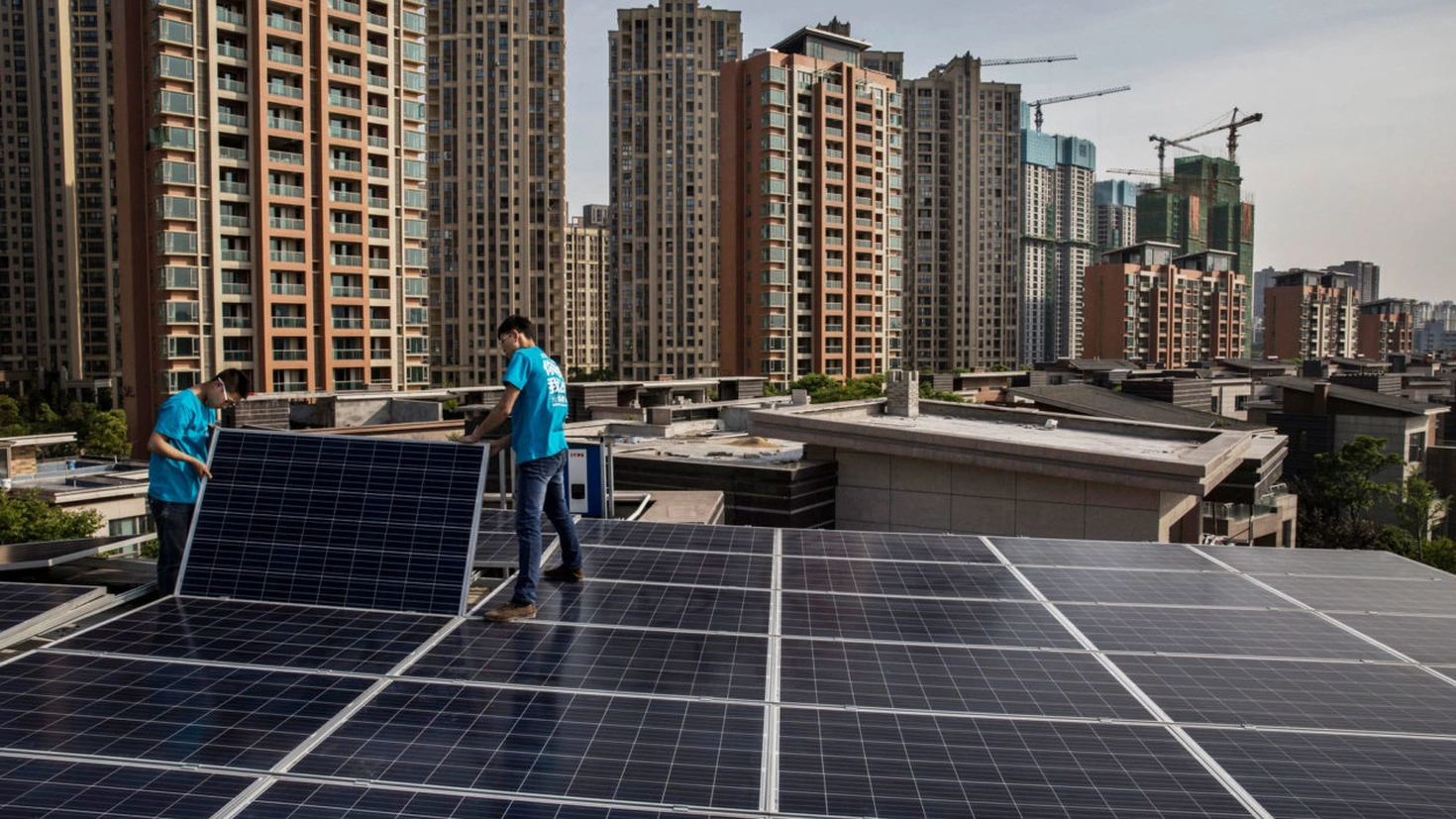
He recalled that the idea was difficult to promote at first, as few people believed they would actually receive payments. Over time, however, Wang began investing his own money in equipment and gradually convinced family members and friends to join.
Villagers soon followed after seeing tangible results, unwilling to miss out on a new business opportunity. They purchased solar panels, installed them on their rooftops, and earned money by selling electricity back to the grid.
The model benefits both sides: local authorities can cut emissions while households gain an additional source of income. But Wang noted a major challenge — local substations are not capable of absorbing all the excess household power.
“We want to invest more in substations so that every family can participate in this model. Everyone wants to contribute,” Wang Xingyong told Fast Company.
Still, most farmers pay little attention to the government’s emissions goals. People like Ms. Shi are focused mainly on the profitability, which surpasses the returns of bank savings. Because her family signed a contract in 2021, they continue to earn money even though the village has since halted new rooftop installations.
China’s solar-panel manufacturers, electric-vehicle companies, and energy providers are all racing to develop more advanced batteries capable of storing power generated from solar installations. In Shandong Province, authorities are piloting lithium battery systems to store electricity during peak hours and feed it back into the grid when needed.
Another unresolved issue is establishing a real-time electricity pricing mechanism. At present, China still relies on state-regulated electricity prices, which are updated only after detailed analysis.
Analysts warn that without greater pricing flexibility, it will be difficult to persuade consumers to shift usage to off-peak hours. Last year, regulators in Shandong lowered electricity rates to encourage residents to consume more power during periods of high supply and low demand.
The central government is also planning significant upgrades to the national grid. In February, the National Development and Reform Commission (NDRC) urged provinces to improve grid flexibility and equip coal-fired power plants to operate more dynamically.
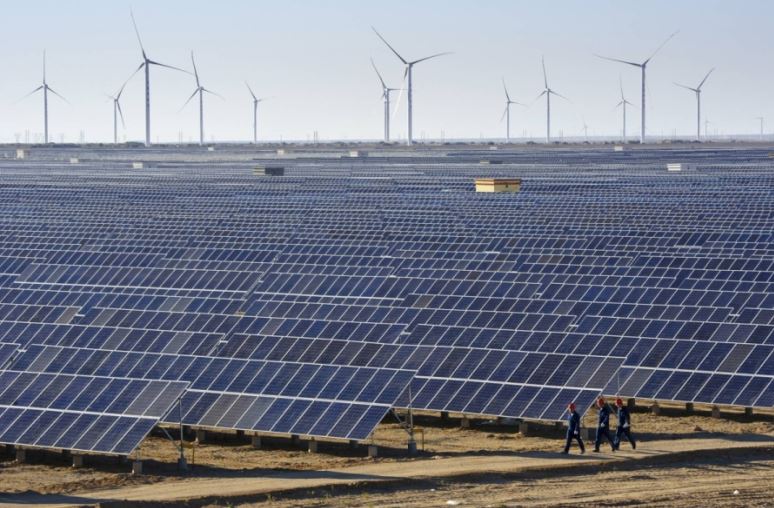
In addition, China intends to upgrade its national power grid by enhancing grid flexibility. Officials aim to develop a smart grid system capable of determining, in real time, the optimal moments to distribute the electricity being generated.
“All countries that rely on renewable energy face similar challenges. They are exploring smart solutions or experimenting with AI integration to achieve the most efficient and productive grids. China will encounter the same situation,” said David Fishman, senior director at consulting firm Lantau Group, in an interview with Fast Company.
For now, there is no indication that China’s solar buildout will slow. In Shandong, Wang remains highly optimistic about his business prospects. Although new projects for villagers have declined, he still has a substantial number of corporate clients.
Wang believes that as China’s electric vehicle industry continues to surge, the country will need to build charging stations that incorporate solar power. “I’m confident the future will only get brighter,” he said.