


Video 1
04/12/2025
The Plant Protection Department under the Ministry of Agriculture and Rural Development recently reported that Bac Giang Province has seen a steady increase in the use of biological and herbal plant protection products, exceeding the national average. Meanwhile, the use of chemical pesticides has shown a declining trend.
This shift forms an important foundation for improving product quality, facilitating exports, increas
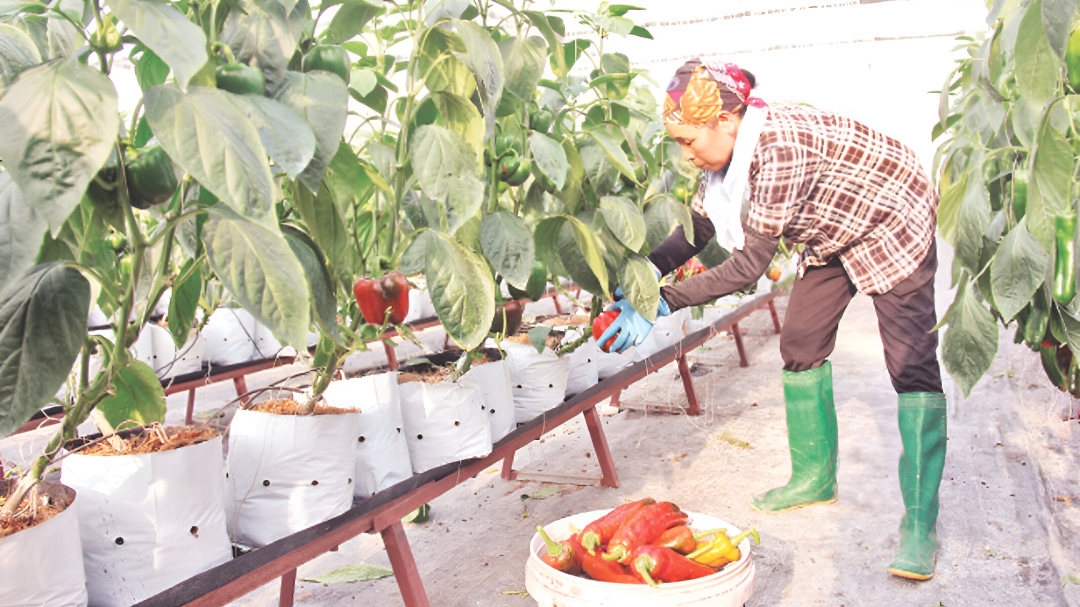
Concerns over safe and environmentally friendly food are growing among consumers. Across Bac Giang Province, farmers have increasingly shifted their cultivation practices toward reducing the use of chemical fertilizers and pesticides. Instead, VietGAP and GlobalGAP production protocols, organic fertilizers, and biological pesticides have become common on many fields and orchards.
Many of the province’s branded agricultural products have earned strong consumer confidence both domestically and in export markets, including lychee, oranges, pomelos, custard apples, longans, tea, vegetables, guava, and pineapple.
According to surveys by the Plant Protection Department, while the national average use of biological and herbal plant protection products is around 48%, Bac Giang has reached approximately 55%.
In addition, the use of organic fertilizers in the province now exceeds 49.3%, a relatively high rate compared with the national average—marking a positive shift toward greener agricultural production.
In Huyen Son Commune (Luc Nam District), more than 150 hectares of custard apple are grown, of which 60 hectares follow VietGAP and organic standards. The one-hectare orchard of Mr. Phuong Minh Hien in Khuyen Village is operated entirely under clean and safe production protocols.
In recent years, he has stopped using chemical substances and instead applies biological products approved by technical agencies, along with organic fertilizers. “This method not only protects the health of producers themselves but also improves product quality and safeguards consumer health,” Mr. Hien shared.
At the Luc Ngan Xanh Cooperative (Luc Ngan District), farmers use fermented fish, soybeans, banana stems, and spoiled fruit to produce organic fertilizers.
According to evaluations, guava and Korean melon grown with potassium-rich organic fertilizers made from ripe bananas and banana stems have a natural sweetness and aroma that differ clearly from chemically fertilized produce. The cooperative also uses chili, ginger, and bitter plants to produce organic biological pesticides that repel pests and interrupt their life cycles on chrysanthemums, guava, and melon crops.
This approach helps farmers reduce production costs—particularly chemical fertilizers—while making use of local by-products to create on-site organic nutrients. Fertilizer costs are estimated to decrease by at least 20%, and soil and water quality in production areas have improved significantly.
Bac Giang Province currently has more than 151,800 hectares of cultivated land, mainly for staple crops and fruit trees. Large-scale production zones have taken shape under VietGAP standards (over 16,600 ha), alongside 164 ha of lychee meeting GlobalGAP standards, 10 ha of organic lychee, 10 ha of GlobalGAP longan, and additional VietGAP-certified zones for custard apple, oranges, pomelos, tea, vegetables, and more.
According to Mr. Dang Van Tang, Director of the Sub-Department of Crop Production and Plant Protection, “Developing production while reducing the use of fertilizers and chemical pesticides helps mitigate environmental pollution, creating a green, clean, and safe agricultural sector that benefits human health.
This also raises public awareness of food safety, encouraging the use of organic fertilizers and biological pesticides to replace chemical products.”
In the coming period, Bac Giang’s agricultural sector will continue allocating funds for pesticide-residue monitoring programs; directing and supporting production under VietGAP, GlobalGAP, and organic standards for key crops such as lychee, longan, citrus fruit, and safe vegetables.
The province will intensify communication efforts encouraging farmers to gradually switch from inorganic fertilizers and chemical pesticides to organic and plant-based biological products. Ecological agricultural models combined with experiential tourism—especially in high-tech production zones and export-certified lychee areas—are also encouraged.
At present, safe production commitment agreements are becoming increasingly widespread among farming households, agricultural production facilities, and cooperatives in the province.
These efforts concretely support Bac Giang in effectively implementing the Ministry of Agriculture and Rural Development’s schemes on biological plant protection products (to 2030, with a vision to 2050) and organic fertilizer use (to 2030, vision to 2050), thereby enhancing the value of the province’s agricultural products.