


Video 1
04/12/2025
In recent times, the agricultural and aquatic product processing industry has always accounted for a large proportion of the industrial sector and the general economic structure of many localities in the Southwest. However, the context of declining global demand has caused the production and business activities of many enterprises to face many difficulties and challenges that need to be resolved soon.
Strengthening and developing the processing industry in the coming time in the direction of increasing deep processing, creating products with high added value, diversifying products to contribute to promoting green and sustainable economic growth is a requirement in the Southwest region today…
According to the People’s Committee of Ca Mau province , shrimp farming in the province currently accounts for about 45% of the area and 29% of the shrimp farming output in the Mekong Delta region and 40% of the area and 22% of the shrimp farming output in the whole country. This is a key economic sector in Ca Mau, accounting for 89% of the total production value of the aquaculture industry and about 49% of the total production value of the entire agricultural sector of the province.
According to Mr. Le Van Quang, Chairman of the Board of Directors of Minh Phu Group, to have a foothold in the global market for a long time, many consecutive years, the group has constantly strived to achieve green certifications, such as: EU Organic; Canada Organic; selva shrimp, mangroves shrimp and seafood watch green…
Director of the Department of Industry and Trade of Ca Mau province Nguyen Chi Thien said that the shrimp processing industry of the province has constantly innovated, investing heavily in science and technology, machinery and equipment. In recent years, the management level of local processing enterprises has developed remarkably, quickly accessing the market, meeting the strict requirements on technical barriers of many importing countries. Many enterprises have invested in seafood processing factories that meet international standards, such as SA-8000, ISO 26000, ISO-9001, BRC, BAP, BSCR… Thanks to that, Ca Mau’s shrimp export turnover has increased about 14 times compared to the time the province was re-established in 1997.
Ca Mau’s shrimp export turnover has increased about 14 times compared to the time the province was re-established in 1997.
Director of the Department of Industry and Trade of Ca Mau province Nguyen Chi Thien
Dong Thap province currently has 47 enterprises processing agricultural products for export, with the annual average export turnover of processed agricultural products reaching more than 74% of the province’s total export turnover (excluding temporary imports and re-exports). The province’s main export items are still processed seafood and rice. Recently, the province has added many new items with high added value such as: Collagen, fish oil… contributing to the diversification of export items.
To meet domestic and export demands, Thabico Tien Giang Food Industry Joint Stock Company focuses on processing local agricultural products of high value. The company’s factory uses the entire IQF processing program provided by the Swedish Octofrost Group with main products being dragon fruit, mango, banana, jackfruit, watermelon, corn, etc. After freezing, the products still retain their natural shape and flavor, ensuring food safety, and are popular in domestic and foreign markets.
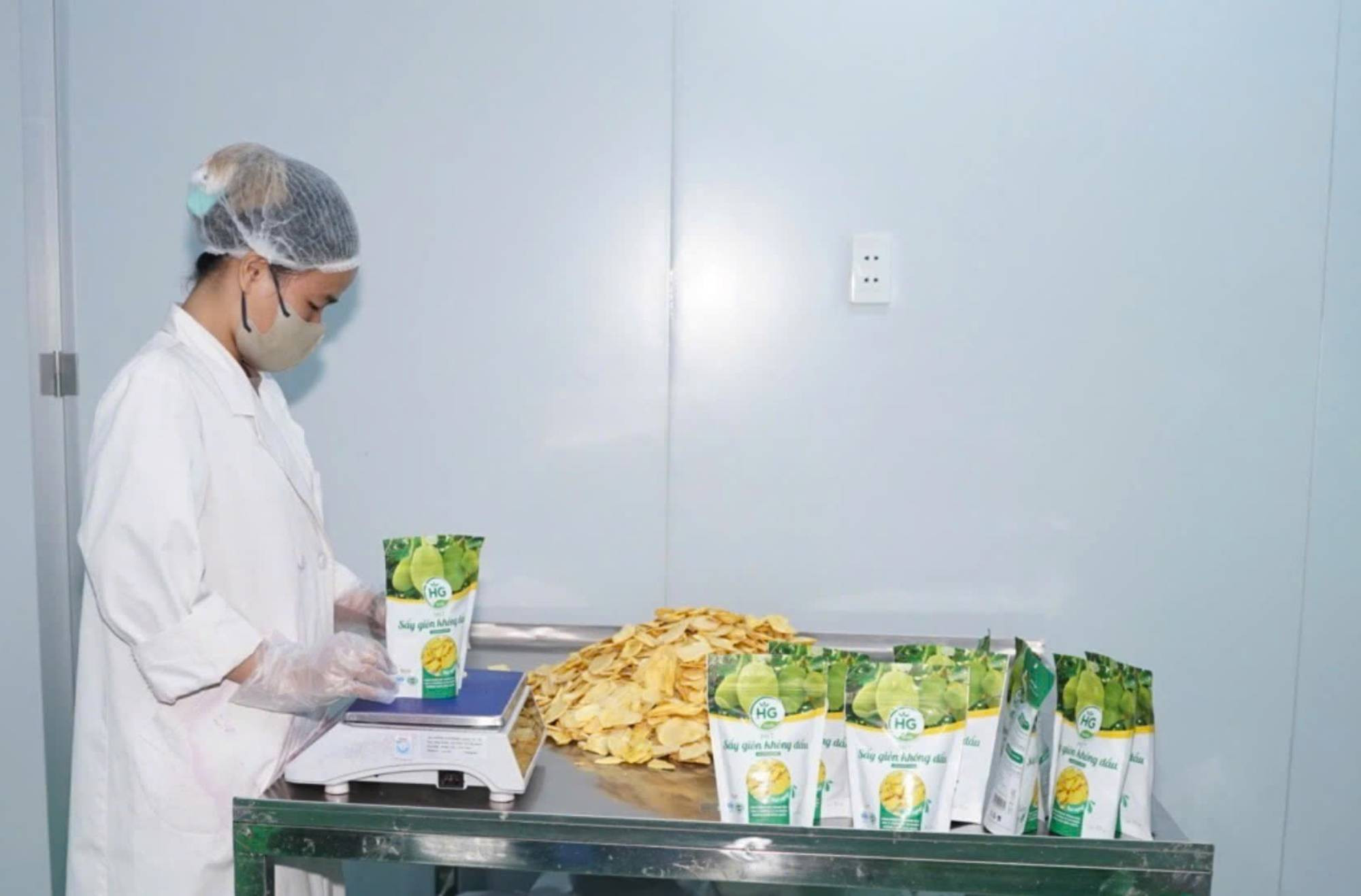
In Long An province , HG Food Joint Stock Company in Thu Thua district has boldly invested in warehouses for preserving agricultural products after harvest and technology for processing oil-free crispy dried fruit products. Company director Duong Thi Truc Giang said that on average, each month, the enterprise supplies about 10 tons of oil-free crispy dried fruit products to the domestic market and exports about 10 tons, raw materials to produce about 250 tons of various fruits. The main markets of the enterprise are the US, part of Europe and is expanding to the Middle East. All exported oil-free crispy dried fruit products have an increased value of about 200% compared to fresh fruit.
In Can Tho , the Western Food Processing Export Joint Stock Company (Westfood) has invested in a raw material production area with 140 hectares of MD2 pineapple in Hau Giang, of which 30% are GlobalGAP certified. According to the plan, by 2030, the company will build a raw material area of 1,000 hectares, 50% of which will meet GlobalGAP standards. This enterprise also plans to invest in a fruit processing factory in Hau Giang according to European standards with a capacity of 30,000 tons/year to diversify pineapple products.
However, reality also shows that processing enterprises in the Southwest region still face many challenges related to production structure, high prices of materials and input materials. Along with that, the development of raw material areas for the production of processed vegetables and fruits is still fragmented, not much supported by sectors and levels, especially the planning of raw material areas…
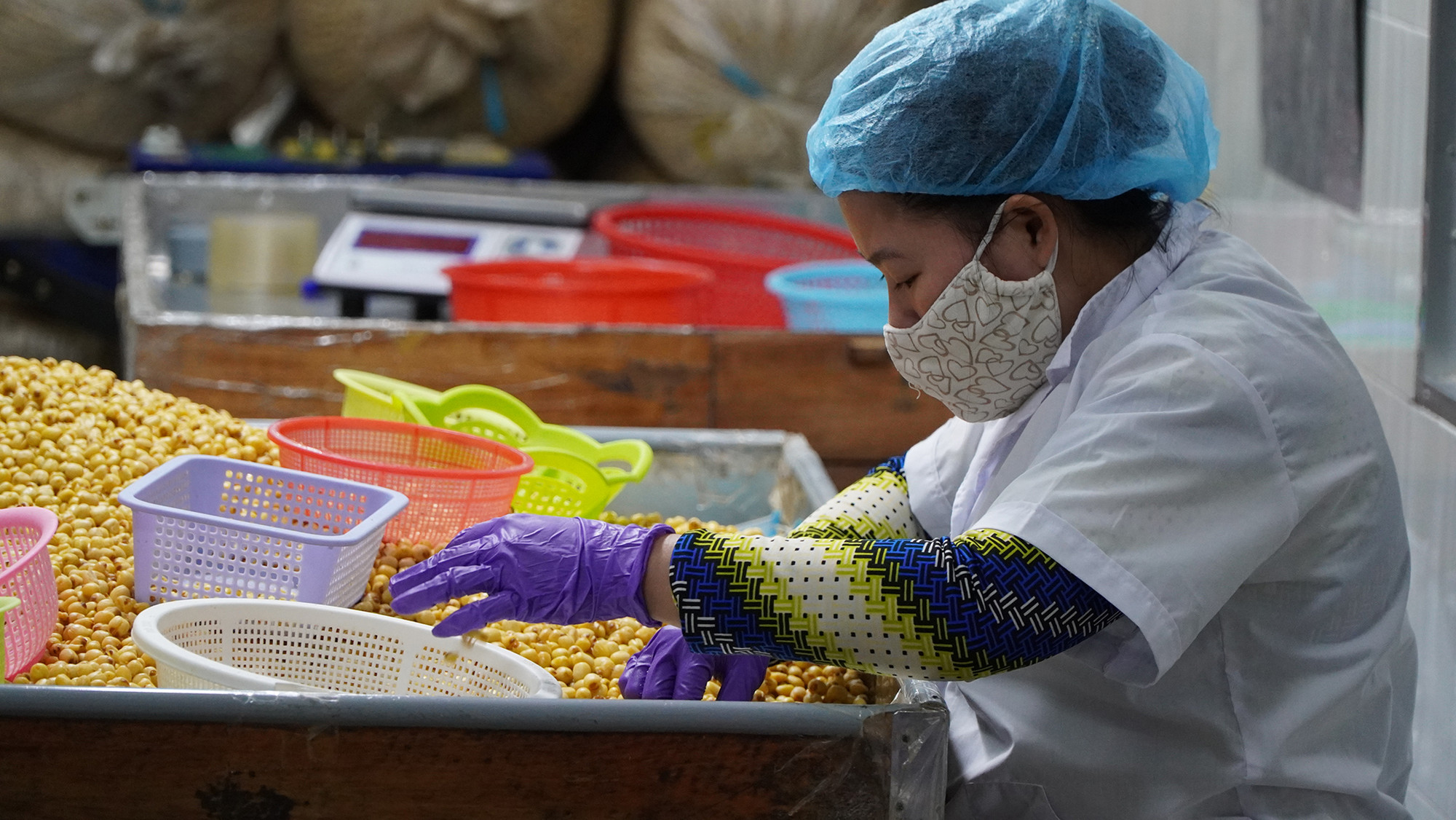
In 2023, Can Tho city’s export turnover will reach more than 2 billion USD, with about 80% coming from rice, seafood and fruit exports. Since the beginning of 2024, Can Tho has exported more than 660,000 tons of rice, reaching an export turnover of more than 378 million USD, up nearly 10% over the same period and reaching more than 95% of the yearly plan.
According to Mr. Pham Thai Binh, General Director of Trung An High-Tech Agriculture Joint Stock Company, to link with farmers and cooperatives in building the rice industry chain, enterprises need a huge amount of capital but access is still difficult. Enterprises hope that the Government and banks will have preferential credit support policies for rice exporting enterprises in particular and agricultural products in general, lending all year round rather than lending seasonally so that enterprises can be proactive in linking production and business.
Director of the Department of Industry and Trade of Can Tho City Ha Vu Son said that to support businesses, the Department of Industry and Trade of the city organizes trade promotion activities, connecting businesses to find markets for consuming key agricultural products of the locality at home and abroad; coordinates with the agricultural sector to plan specialized areas for growing rice, high-quality fruit trees, and specialties to call for and attract investment in this potential field. Can Tho is promoting the establishment of a center for linking processing and consuming agricultural products of the Mekong Delta region in Can Tho according to a special mechanism. This is a closed-loop center from planting, processing, and consuming agricultural products with an integrated process of tax, customs, cold storage, etc. at the center, helping businesses consume agricultural products conveniently and easily.
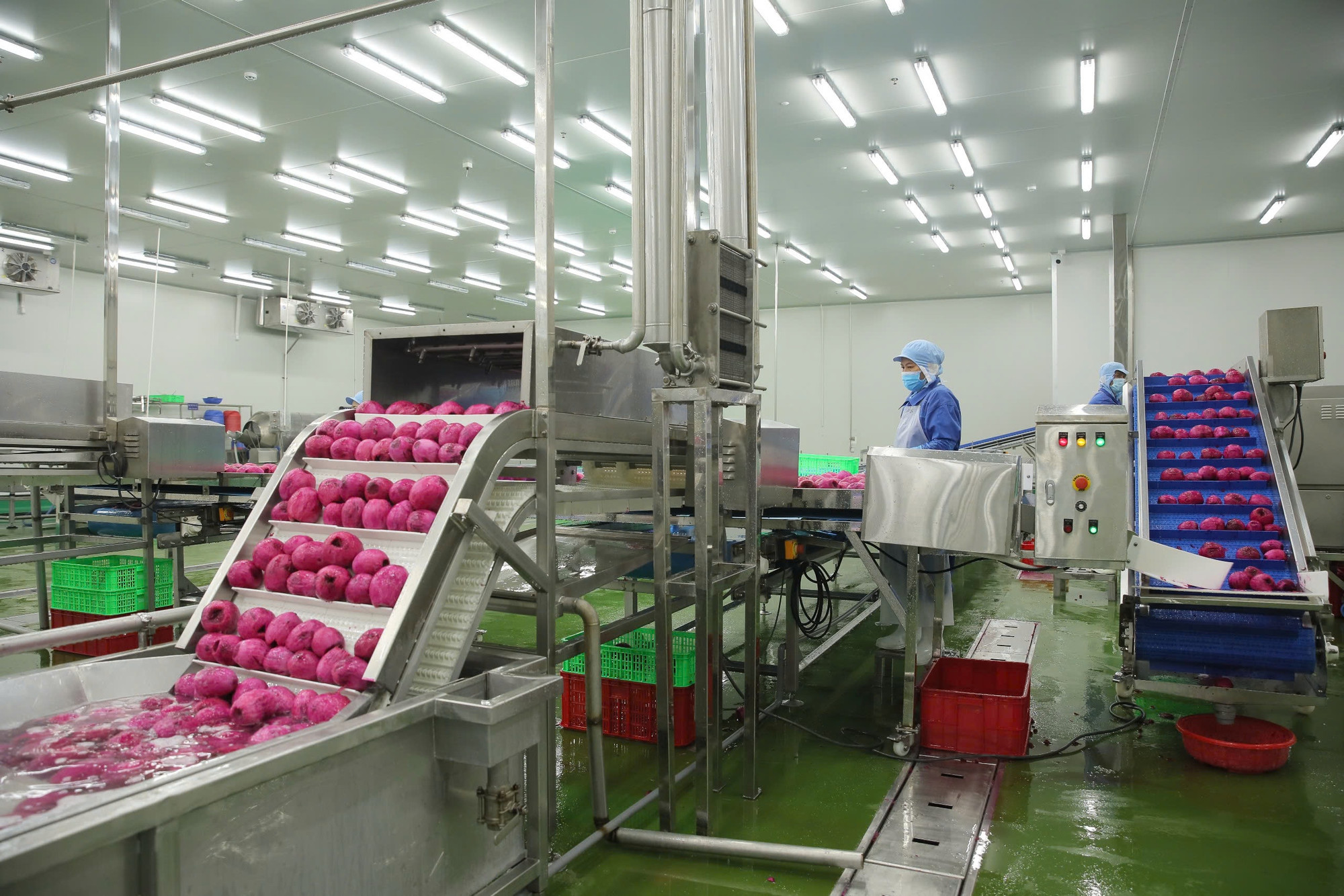
In Dong Thap, the linkage of consumption between farmers and processing enterprises, and between processing enterprises with each other, has contributed to increasing the value of agricultural products, aiming at harmonizing interests between parties, and limiting risks in prices and markets.
However, according to the Director of the Department of Industry and Trade of Dong Thap province, Vo Phuong Thuy, in addition to the pangasius industry, the linkage in other industries is still limited, sometimes not sustainable, and the rate of participation in linkage is not high. The province does not have many large enterprises leading the industry as well as investing in the logistics sector to develop production linkages along the value chain. The difference in scale between enterprises in the same industry can make it difficult to find common ground and build cooperative relationships; each enterprise has different strengths and limitations, finding partners that can complement each other is a big challenge.
According to the Director of the Department of Industry and Trade of Tien Giang province , Luu Van Phi, Tien Giang’s agricultural processing industry strives to grow by 12-15% each year; many agricultural products of the province affirm their brands, meeting the domestic and export markets. Accordingly, the focus is on building a sustainable agricultural processing industry, producing raw materials associated with processing and consumption markets. The province focuses on attracting investment, innovating technology and improving the capacity of existing processing facilities; applying modern technology to increase the rate of refined and deep processing. Along with that, the province focuses on developing and enhancing the role and operational efficiency of components in the agricultural value chain, meeting quality requirements, reducing the cost of input materials for processing and domestic consumption and export.
To date, the chains linked with shrimp farmers in Ca Mau have deployed nearly 25,000 hectares, of which more than 19,000 hectares (about 4,000 households) are certified to international standards, with an annual output of about 10,000 tons. Thanks to these chains, processing enterprises in Ca Mau have good sources of raw materials to produce specialized products, creating a competitive advantage in the international market.
According to Vice Chairman of the People’s Committee of Ca Mau Province Le Van Su, the province continues to promote the reorganization of production in the direction of cooperation and association to create large raw material areas, trace the origin of products and improve competitiveness in shrimp product consumption. Along with that, developing production associated with expanding product consumption markets; building a brand of Ca Mau shrimp products that are both diverse and unique in the domestic and foreign markets…