

Video 1
04/12/2025
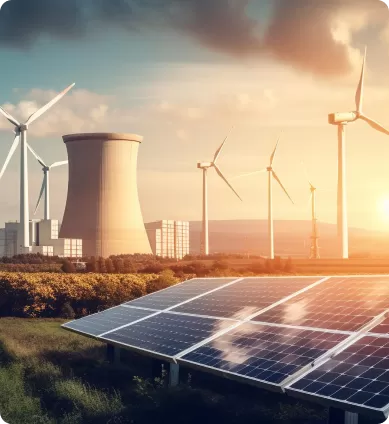
Reducing emissions and advancing green development have become urgent priorities for the aquaculture sector, which is both highly vulnerable to climate change and a major source of greenhouse-gas emissions.
Chăn nuôi gia súc, nuôi trồng thủy sản là những ngành chịu tác động mạnh của biến đổi khí hậu nhưng cũng là một “thủ phạm” gây ra biến đổi khí hậu vì sản xuất ra lượng lớn khí nhà kính… Sự cân bằng của ngành thủy sản được tạo nên từ việc rút ngắn khoảng cách giữa tăng trưởng và giảm thiểu tác động tiêu cực tới môi trường..
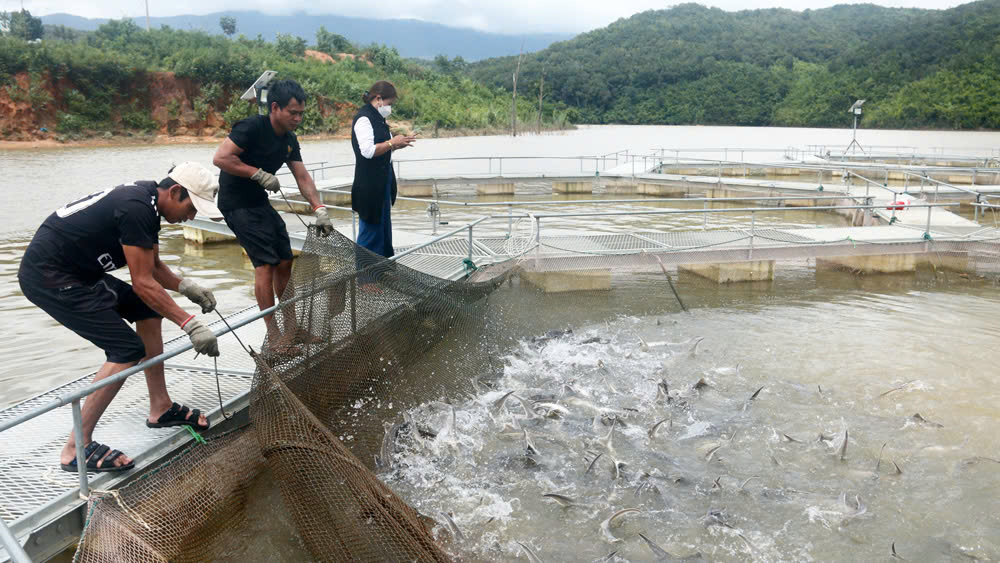
According to the Directorate of Fisheries under the Ministry of Agriculture and Rural Development, Vietnam’s total aquatic production in the first six months of 2024 reached more than 4.38 million tons, up 2.7% compared with the same period in 2023. Of this, aquaculture output accounted for over 2.43 million tons. Seafood export turnover reached 4.355 billion USD, an increase of 4.9% year-on-year.
With a long-term vision for the sustainable development of the fisheries sector, the Government and relevant ministries have proactively implemented a wide range of support policies for aquaculture producers, including preferential credit, technology transfer, seed support, and infrastructure development. At the same time, national target programs on new rural development, marine economic growth, and investment incentive policies—particularly those promoting foreign investment—have created new opportunities for the industry.
However, despite these achievements, the fisheries and aquaculture sectors continue to face a series of significant challenges.
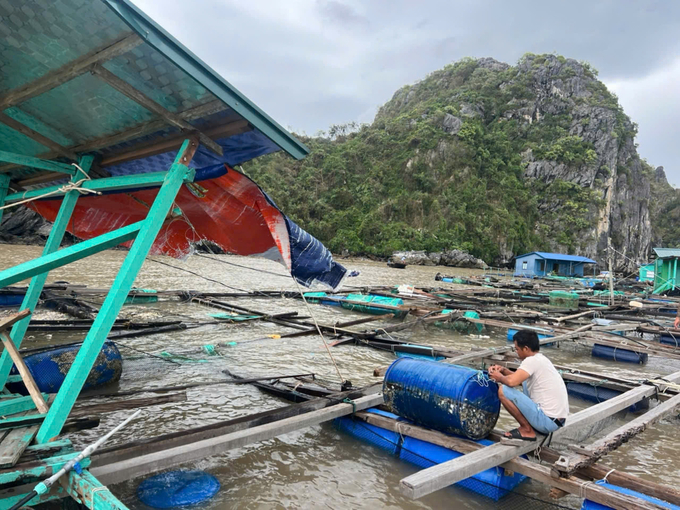
In addition, fierce competition and increasingly stringent trade barriers imposed by major seafood import markets such as North America and the EU have created significant obstacles for the industry.
To address these challenges, the fisheries sector—particularly aquaculture—must accelerate research and the adoption of climate-resilient farming technologies; develop a clear roadmap for transitioning toward a circular and green economy; and introduce policies to support businesses and farmers in shifting production methods, obtaining necessary certifications, and meeting emerging carbon-reduction requirements.
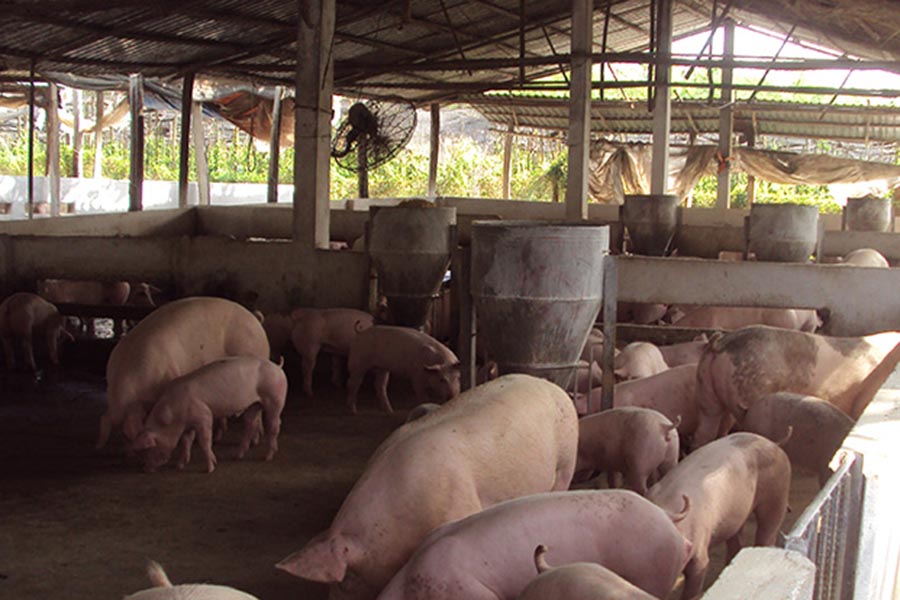
High-tech livestock production chains have increasingly taken shape, enabling domestic enterprises to access advanced solutions and modern equipment. Improved production efficiency has gone hand in hand with higher product quality, allowing Vietnam to meet the stringent standards of international markets.
With the right investments and strong international cooperation, Vietnam’s livestock sector has the potential to achieve significant breakthroughs, contributing to elevating the country’s position on the global stage.