

Video 1
04/12/2025
A new generation of consumers is driving the reduction of ecological footprints through their purchasing decisions.

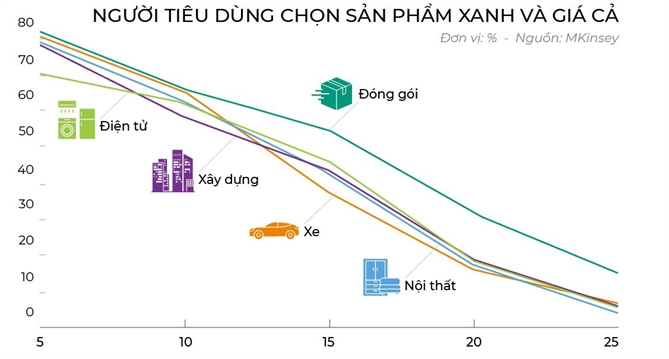
A McKinsey survey shows that up to 91% of Gen Z respondents are willing to pay more for brands that follow sustainable business models. McKinsey concludes that when faced with two products of equal quality and price, Net Zero consumers will prioritize brands that demonstrate strong commitments and tangible contributions to the sustainable development of people and the planet.
This means brands must pay close attention to broader societal concerns as they work to build greener, more responsible identities.
According to a United Nations report released at the end of 2023, more than 150 countries worldwide have committed to achieving Net Zero by 2050. Vietnam—currently among the world’s 20 largest emitters—has seen its carbon emissions double over the past decade.
In line with global trends, Vietnam is also actively advancing its Net Zero ambitions. As reflected in the McKinsey survey, Vietnamese consumers are increasingly embracing green lifestyles and sustainable consumption habits, including choosing recycled products, minimizing waste, sorting recyclables, and saving energy.
The research further shows that consumers expect businesses to introduce practical initiatives and meaningful actions to help improve the environment.