

Video 1
04/12/2025
With the global energy transition now unstoppable, the question is no longer whether we will transition but whether we can manage this transition in a way that is both fair and fast enough to prevent the catastrophic impacts of climate change.
According to Karim Elgendy, Associate Fellow at Chatham House, as the world turns its attention to Baku for COP29 — the annual United Nations Climate Change Conference — Azerbaijan stands at the “crossroads” between traditional energy systems and urgent climate imperatives.
Like last year’s host, the United Arab Emirates (UAE), Azerbaijan assumes the COP presidency with the dual identity of a major energy producer and a nation facing its own climate vulnerabilities. This position provides unique insight into both the challenges and opportunities involved in transitioning toward cleaner energy systems in a warming world.
The central task of COP29 is to secure agreement on climate finance — specifically, the New Collective Quantified Goal (NCQG), which will replace the previous commitment of USD 100 billion per year from developed countries to help developing nations address climate change. Developing countries argue that the new figure should be in the trillions, not billions, to enable climate action in nations that lack the means to fund their own transition.
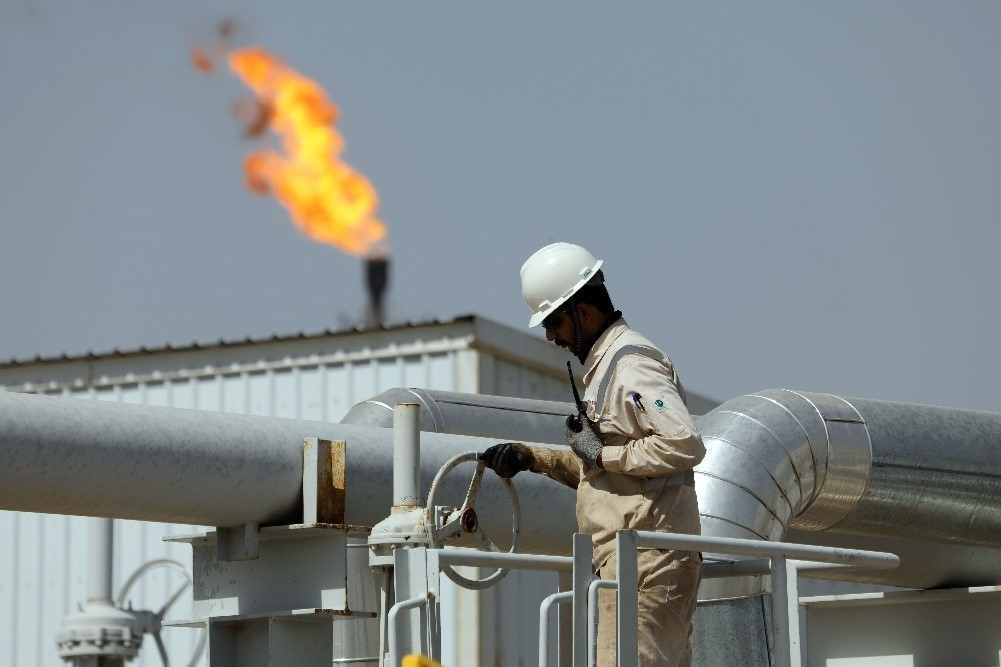 Workers at an oil refinery in Wasit Province, Iraq
However, negotiations face significant challenges as developed countries resist major increases in their contributions, and disagreements persist over who should pay. Across years of climate negotiations, implementation of past COP decisions has been uneven.
The USD 100 billion climate finance pledge made in Copenhagen in 2009 was only met in 2022 — two years late. Meanwhile, the temperature goals of the Paris Agreement seem increasingly out of reach. The “UAE Consensus” at COP28 last year marked the first explicit global agreement to transition away from fossil fuels, yet the policy actions required to deliver on that commitment remain largely theoretical.
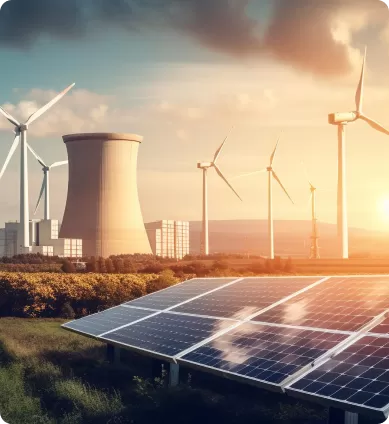
Despite this patchy track record, the world is witnessing an unprecedented transformation of global energy systems. Solar energy deployment reached an astonishing 347 gigawatts (GW) in 2023. By 2027, solar combined with storage is projected to become the cheapest form of electricity in most regions worldwide. Clean energy is already meeting nearly all of the growth in new electricity demand while pushing coal into structural decline for the first time.
This transition is not merely a substitution of one energy source for another — it represents a fundamental reshaping of the global energy order. Countries whose economies and geopolitical influence have been built on fossil fuel exports now face the reality that their most valuable assets are turning into liabilities. Meanwhile, nations with abundant renewable resources and strong manufacturing capabilities are positioning themselves as the energy superpowers of the future.
The International Energy Agency (IEA) forecasts that global demand for oil and gas will peak by 2030, driven by increasingly competitive clean technologies and stronger climate policies. The renewable energy economy has reached a new threshold where existing momentum is essentially irreversible. China alone is expected to generate more solar power in the early 2030s than the entire current electricity demand of the United States.
Yet this inevitable transition also brings formidable challenges. Power grids will require massive upgrades to manage intermittent renewable energy. Social and economic impacts on communities dependent on fossil fuels must be carefully managed to ensure a just transition.
As COP29 host, Azerbaijan exemplifies these transitional tensions. Although it has 20% renewable capacity (mainly hydropower) and aims to reach 30% by 2030, it continues to lobby the European Union (EU) to double its gas imports — highlighting the complex balancing act many energy-producing nations face during this shift.
Climate impacts are escalating faster than anticipated, while the window for an orderly transition is narrowing. With the global energy transition now unavoidable, the question remains whether we can manage it fairly and quickly enough to prevent catastrophic consequences. Success or failure in mobilizing adequate climate finance and managing the transition will shape not only future energy systems but the future of human civilization itself.