
Video 1
04/12/2025
(Today) – On World Environment Day, UNESCO has announced a new program to promote environmental education in schools. This initiative helps children better understand their role in solving the climate crisis and take practical actions.
According to a UNESCO report, nearly half (47%) of the world’s curricula do not address climate change, an urgent global challenge. The report also found that only 23% of teachers feel confident in teaching about climate change in the classroom. Additionally, 70% of young people surveyed admitted they could not explain the disruptions caused by climate change and expressed concerns about current teaching methods.
Recognizing this, UNESCO has identified environmental education as a top priority area in its support to Member States. Under the leadership of Director-General Audrey Azoulay, the organization has established the Green Education Partnership, which has engaged more than 80 countries and facilitated collaboration between more than 1,300 organizations, including UN agencies, civil society organizations and the private sector.
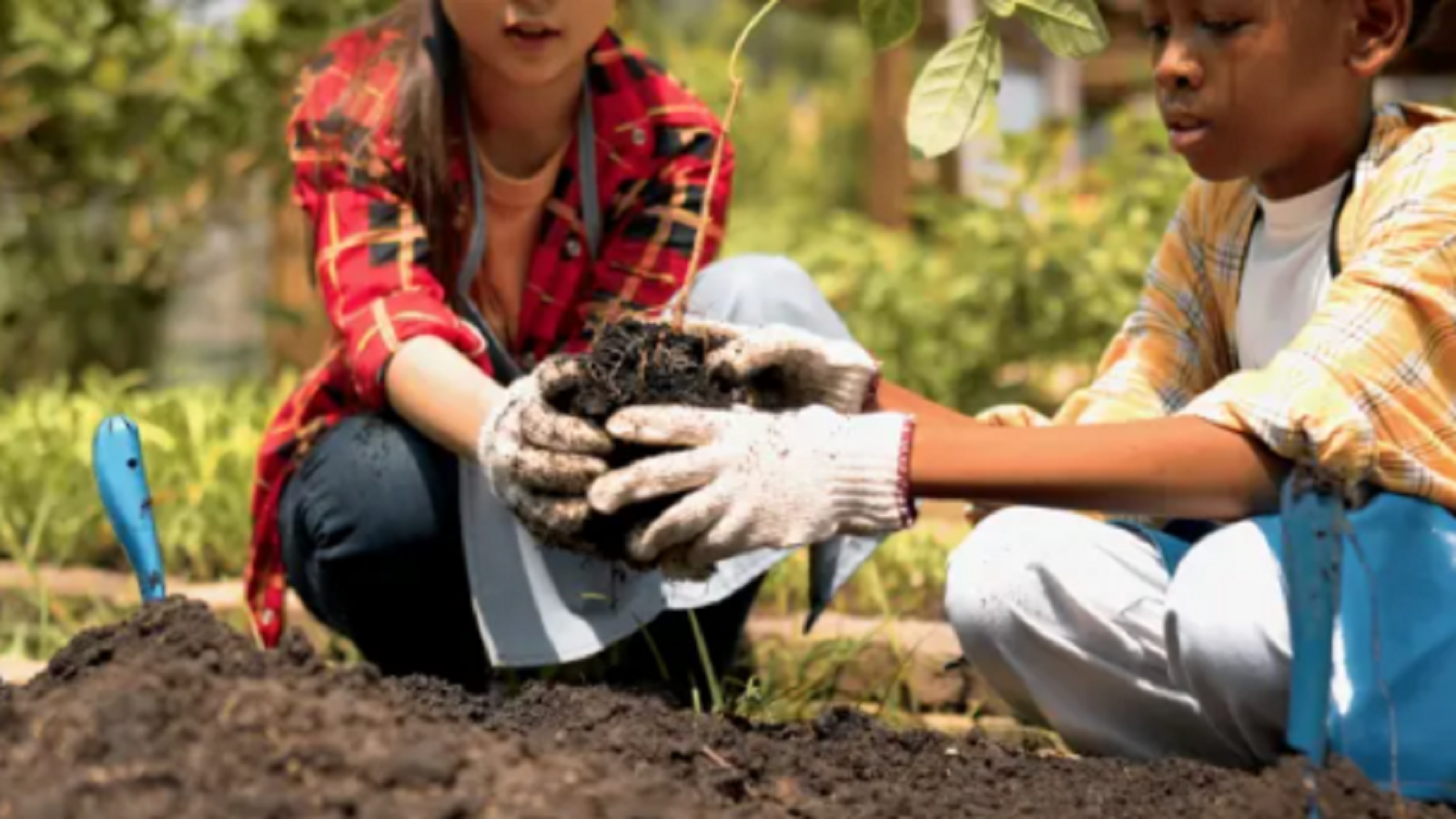
While Member States have made progress in incorporating environmental issues into their curricula, the current approach remains biased towards imparting theoretical knowledge and failing to promote practical action, encouraging students to recognise their role in tackling the climate crisis.
Instead, an experiential approach to education will help students develop critical thinking skills, problem-solving abilities, and a sense of responsibility towards the environment.
In order to realize the goal of promoting environmental education, UNESCO has officially introduced two practical programs for member countries and the education community worldwide.
The Green Curriculum Guide provides a practical guide to comprehensive climate education content to help countries effectively integrate environmental topics into their curricula. It proposes detailed expected learning outcomes for each age group (ages 5 to 18+), with a focus on promoting active learning and designing rich, hands-on activities.
The Green School Quality Standards were developed in collaboration with United Nations agencies, civil society organizations and countries. They set out the minimum requirements for building a “green school”, aiming at an action-oriented approach to environmental education. They recommend the establishment of a green governance committee in each school, comprising students, teachers and parents.