
Video 1
04/12/2025
To reduce plastic waste, Vietnam has introduced a policy and legal framework with a phased roadmap—starting with limiting use and applying fees, and ultimately moving toward a complete ban.
NetZero.VN – 10/02/2025
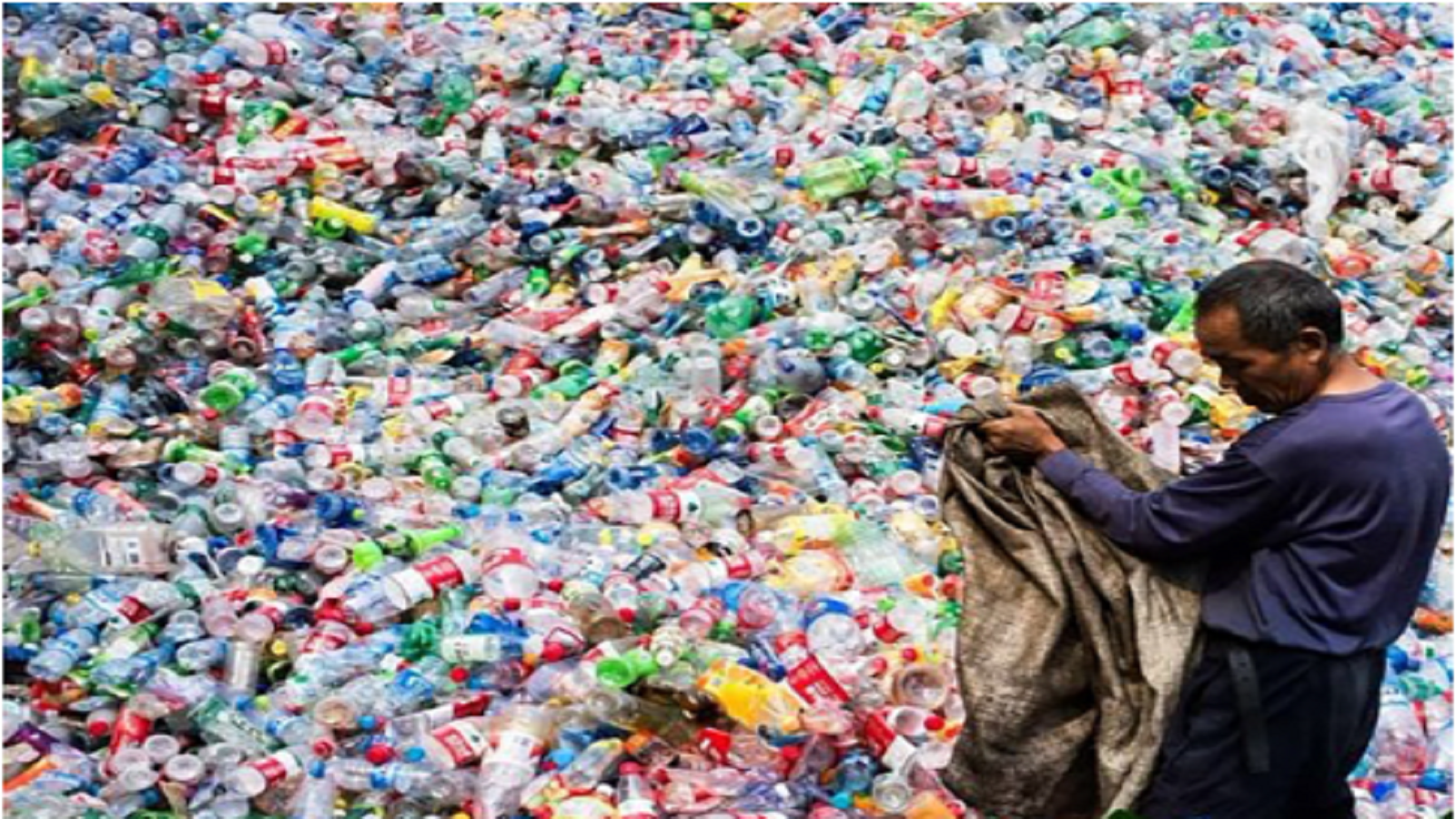
Rapid economic growth, fast-paced urbanization, and lifestyle changes in Vietnam have led to a plastic pollution crisis. According to two World Bank (WB) reports—“Analysis of Plastic Pollution in Vietnam” and “Towards a National Roadmap for Single-Use Plastics in Vietnam”—conducted between July 2020 and April 2021, researchers examined types of plastic waste leaking into rivers and oceans as well as market-available alternative products.
Field surveys in riverine and coastal areas showed that plastic waste accounts for 94% of all items and 71% of total waste weight collected.
Among these, single-use plastics (SUP) make up 62% of all plastic waste by item count. Plastic bags and fragments, foam food containers, and straws were the most common SUP items found in the environment.
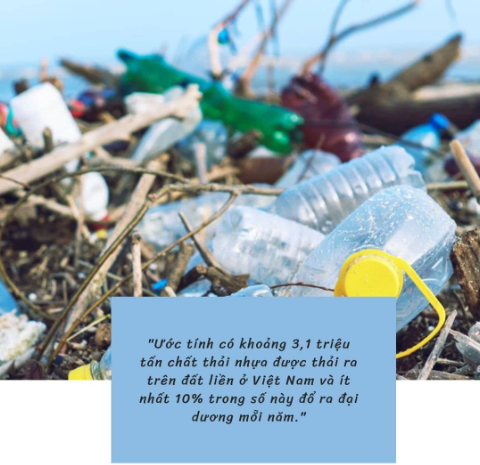
It is estimated that 3.1 million tons of plastic waste are discarded on land in Vietnam each year, and at least 10% of this ends up in the ocean. The Vietnam National Plastic Action Partnership warns that plastic leakage into waterways could double by 2030 if collection, recycling, and waste management systems do not improve.
The Law on Environmental Protection 2020, Article 73, stipulates that organizations and individuals must limit, reduce, sort, and properly dispose of single-use plastic products and non-biodegradable plastic packaging. It also prohibits the direct disposal of plastic waste into drainage systems, lakes, canals, rivers, and oceans.
Plastic waste must be collected and sorted for reuse, recycling, or treatment as required by law. Non-recyclable plastic waste must be handed over to licensed waste treatment facilities. Plastic waste generated from marine economic activities must be collected for reuse, recycling, or treatment and may not be discharged into the ocean.
The State encourages the reuse and recycling of plastic waste to support the manufacturing of goods, construction materials, and transportation infrastructure. It also promotes research and the development of systems to collect floating plastic waste in seas and oceans, along with policies that incentivize reuse and recycling.
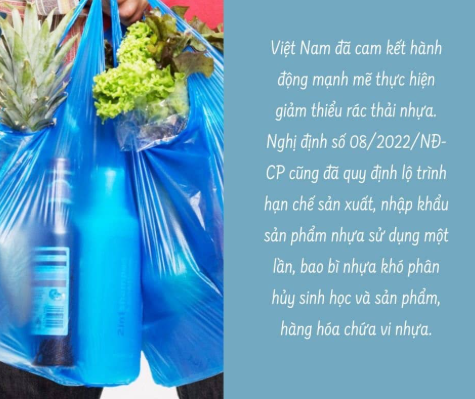
Alongside many countries worldwide, Vietnam has committed to strong actions to reduce plastic waste. Decree No. 08/2022/NĐ-CP establishes a roadmap restricting the production and import of single-use plastics, non-biodegradable plastic packaging, and microplastic-containing products.
Key milestones:
From January 1, 2026:
Vietnam will ban the production and import of non-biodegradable plastic bags smaller than 50cm × 50cm.
After December 31, 2030:
Vietnam will stop producing and importing:
Single-use plastic products (except those certified with Vietnam’s eco-label)
Non-biodegradable plastic packaging (including non-biodegradable plastic bags and foam food containers)
Products containing microplastics
(Except for goods produced for export or non-biodegradable packaging used for product distribution.)
The Government also issued Decree 45/2022/NĐ-CP on administrative penalties for environmental violations, effective August 25, 2022. Although penalties for failing to sort waste at source have not yet been applied, the Decree helps raise public awareness and encourages behavioral change regarding consumption and waste disposal habits.
In June 2022, the Government assigned the Ministry of Natural Resources and Environment to lead the development of a national circular economy plan. This initiative is expected to significantly reduce plastic waste entering the environment while transforming plastic waste into valuable resources that contribute to socio-economic development.
Source: Environment & Life Magazine