
Video 1
04/12/2025
According to the Ministry of Natural Resources and Environment, Vietnam releases about 3.27 million tonnes of plastic waste into the environment each year. The amount of plastic ending up in the ocean ranges from 0.28 to 0.73 million tonnes annually. However, only 11–12% of plastic waste is recycled; the rest is mainly landfilled, incinerated, or leaked into the environment.
Since 2018, various levels of the Youth Union have organized more than 25,000 training sessions on environmental protection and climate change response, with over 1.1 million young participants.
Therefore, reducing plastic waste will help pave the way for the development of Vietnam’s carbon market. Through actions that reduce plastic waste and by improving understanding of the carbon market and carbon credits, young people can engage in commercial transactions representing the right to emit one tonne of carbon dioxide (CO₂) or CO₂-equivalent.
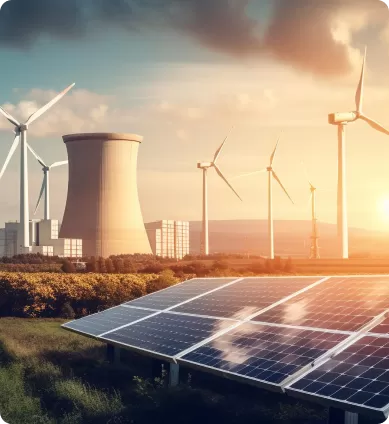
The carbon market holds promise for the growth of multiple sectors, such as renewable energy (wind, solar, green hydrogen power), agriculture, and carbon capture–storage–utilization (CCUS). These fields will create future opportunities for young people — from environmental careers to climate finance, carbon credit trading, investment, and brokerage.