

Video 1
04/12/2025
Vietnam is in the midst of a powerful economic transformation, marked by remarkable developmental progress. This shift is reflected not only through impressive GDP growth but also through advances in industry, services, and agriculture. However, this rapid expansion brings not only opportunities but also a serious challenge: the rising volume of CO₂ emissions.
NetZero.VN – 28/01/2025
Vietnam is experiencing a dynamic economic revolution, but the resulting increase in CO₂ emissions poses significant challenges. Rising emissions not only threaten the environment but also raise difficult questions about the nation’s long-term sustainability. Increasing greenhouse gases contribute to climate change, extreme weather events, and deteriorating air quality, affecting public health and harming key economic sectors such as tourism and agriculture.
Amid global uncertainty, Vietnam’s economy has demonstrated strong and impressive resilience. According to the latest World Bank report, Vietnam’s GDP is forecast to grow by 6.6% in 2025, a figure higher than earlier projections and a sign of stability and promising economic potential.
In 2024, Vietnam recorded 7.09% GDP growth, surpassing the target of 6%–6.5%. Notably, GDP growth in Q4/2024 reached 7.55%, the highest since Q3/2022. These achievements reflect the effectiveness of economic policies and the dynamism of key sectors.
The services and industry–construction sectors continue to be the main drivers of growth, posting increases of 7.38% and 8.24%, respectively. These sectors not only contribute significantly to GDP but also help establish a solid foundation for long-term economic development.
Foreign direct investment (FDI) remains a crucial growth engine. In 2024, Vietnam attracted US$25.4 billion in implemented FDI (up 9.4% year-on-year), though registered FDI fell slightly to US$38.2 billion, down 3%. The manufacturing and processing sector continued to dominate, drawing US$20.2 billion, or 64.4% of total implemented FDI—key sectors that are essential to structural transformation.
Looking ahead to 2025, FDI inflows are projected to reach US$39–40 billion, supported by free trade agreements and favorable government policies.
Vietnam faces a major challenge related to CO₂ emissions amid rapid economic growth. World Bank data shows CO₂ emissions per capita increased from 3.243 tons in 2022 to 3.689 tons in 2023.
Total CO₂ emissions in 2022 reached 327.9 million tons, slightly down from 337.7 million tons in 2021. However, Vietnam remains one of the world’s largest emitters—17th globally, accounting for 0.8% of total global emissions.
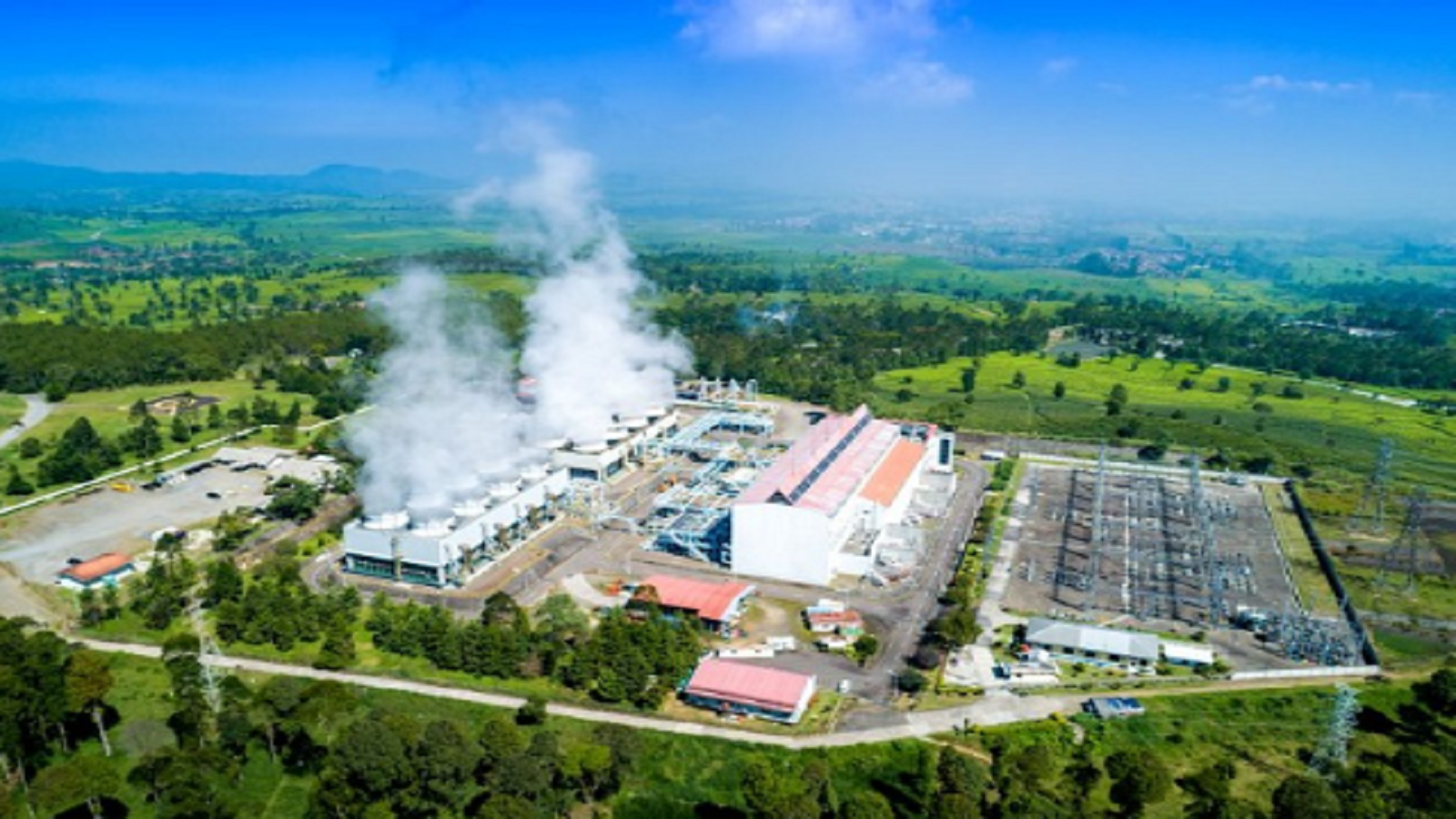
The energy sector is the biggest contributor, responsible for 63.3% of national CO₂ emissions. Heavy reliance on coal-fired power has led to record-high emission levels. In 2024, coal power plants emitted 53.6 million tons of CO₂, the highest on record, highlighting the current dominance of coal despite renewable energy expansion efforts.
Although emissions have slightly declined in recent years, overall trends point to continued increases driven by rising energy demand and population growth. Developing economies face growing resource pressure from industrialization and urbanization, with fossil fuels—coal, oil, and natural gas—remaining major energy sources.
Population growth also intensifies demand for electricity, water, and food, increasing pressure on natural resources.
To mitigate emissions, countries must transition to renewable energy sources—such as solar and wind—while raising public awareness and promoting sustainable lifestyles.
Vietnam has committed to reducing greenhouse gas emissions under international agreements like the Paris Agreement. At COP26, the government announced its ambition to achieve Net Zero by 2050. Vietnam is now implementing various policies—including developing a carbon credit market and requiring corporate greenhouse gas reporting—to meet these commitments.
Under Decision 13/2024/QĐ-TTg, issued in August 2024, over 2,166 businesses must perform annual GHG inventories, strengthening emission management and supporting the transition to a greener economy.
The transport sector is another major emitter. Without effective mitigation, emissions could rise from 33.2 million tons in 2014 to 89 million tons by 2030. The Government has announced a plan to cut transport emissions by at least 5.9% from the business-as-usual scenario by 2030.
Vietnam has placed greenhouse gas reduction among its top development priorities. The goal is not only to meet international commitments but also to protect the environment and improve quality of life.
Vietnam aims to achieve Net Zero by 2050. To meet this goal, the government plans to cut 43.5% of emissions by 2030 compared to the BAU scenario, through measures such as increased energy efficiency, renewable energy transition, and improved waste management.
Energy: Increase renewable energy usage, targeting 32% of electricity generation by 2030 and 43% by 2050. Strong incentives are given to solar and wind projects.
Agriculture: Reduce methane emissions through advanced farming techniques, integrated crop management, improved livestock diets, and increased use of organic fertilizers.
Waste management: Improve waste treatment technologies, including methane recovery from landfills and producing recycled fuel. Enterprises are encouraged to adopt green production technologies.
To achieve emission targets, Vietnam requires substantial financial support from both domestic and international sources. The Just Energy Transition Partnership (JETP) aims to mobilize investment in renewable energy and clean technologies. Simultaneously, carbon market development will help businesses participate in emission reduction efforts.
Raising public awareness is essential. Environmental education programs will be expanded to encourage active public participation in sustainable practices.
Awareness-building should also include social issues such as gender equality, public health, and environmental protection. Workshops, seminars, and extracurricular programs can foster critical thinking, problem-solving skills, and creativity, helping shape a responsible, sustainability-oriented citizenry.
Digital tools in education can further enhance information access and learning quality.
Vietnam’s economy is recovering strongly, but this growth is accompanied by rising CO₂ emissions. To achieve sustainable development, Vietnam must strengthen greenhouse gas control measures, invest in renewable energy, and build an effective carbon credit market. Balancing economic growth with environmental protection will not only improve quality of life but also secure a sustainable future for the country.
Phạm Hoàng Phúc
TAGGED:giảm phát thải
SOURCES:Vietstock