

Video 1
04/12/2025
Developing nuclear power has been identified by Viet Nam as an essential choice in the new development phase, as it is expected to positively impact multiple aspects of the national economy.
NetZero.VN – February 19, 2025
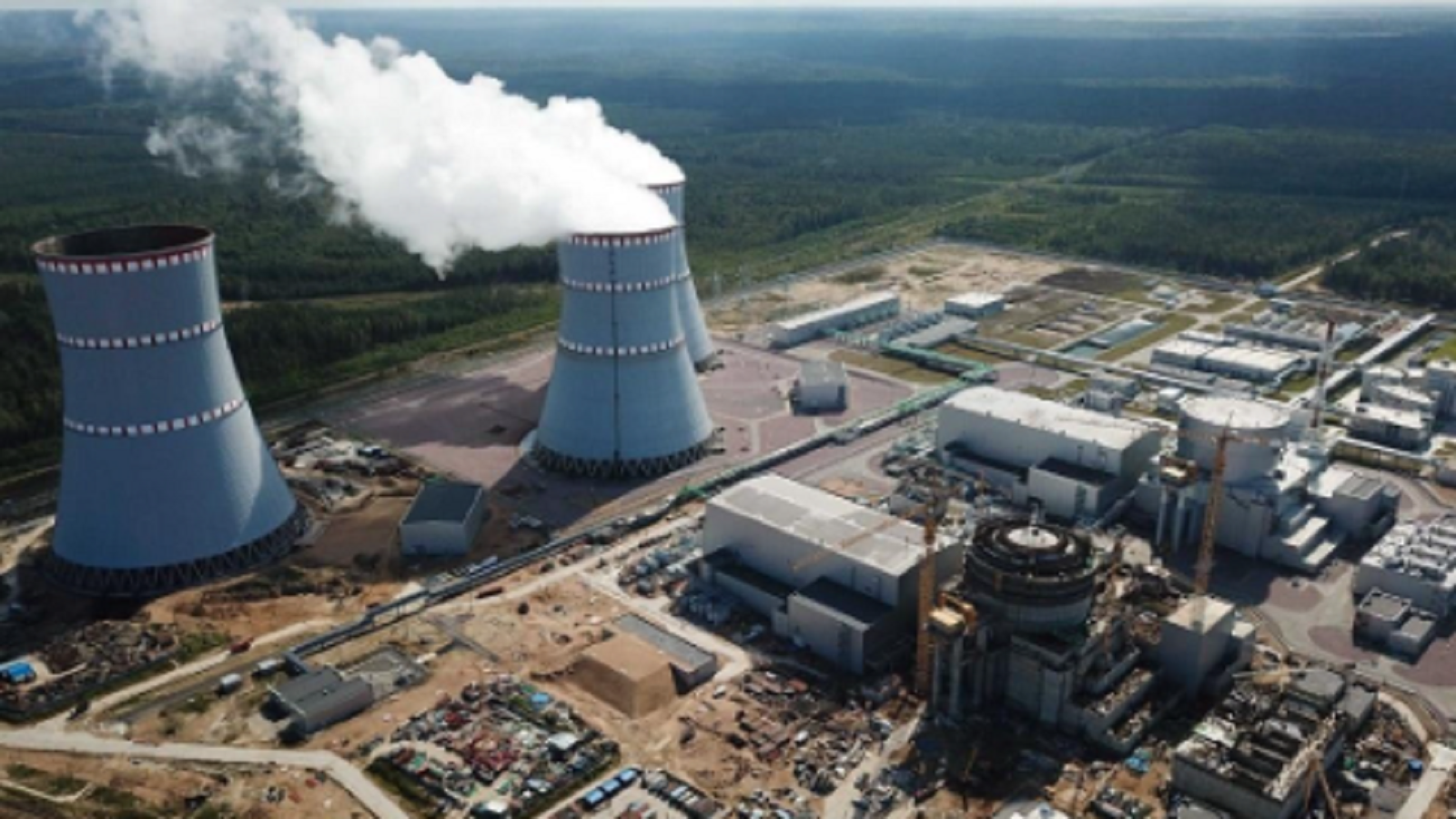
Experts say that developing nuclear power is not only crucial for energy security but also a major driver for attracting foreign direct investment (FDI) into the Vietnamese economy.
Viet Nam has long been an attractive destination for foreign enterprises thanks to low labor costs, favorable investment policies, and numerous multilateral free trade agreements. However, inadequate electricity supply or grid instability may hinder FDI inflows. The strategy to develop nuclear power is expected to help eliminate this risk.
Dr. Hoàng Sỹ Thân, Head of Planning and Scientific Management at the Viet Nam Atomic Energy Institute, explains that the biggest advantage of nuclear power is its low and stable operating cost:
“Currently, Viet Nam operates various types of thermal power plants such as coal-fired and gas-fired plants. These types face uncertainty because their operational costs depend on imported fuel prices, which fluctuate monthly or quarterly and can drive up costs.”
Meanwhile, nuclear fuel is extremely cheap and stable over the plant’s lifetime. Once fuel supply contracts are signed, a nuclear power plant can operate for 60–80 years without concerns about fuel price volatility. This gives nuclear power a major cost advantage over gas-fired plants.
Low and predictable electricity costs allow Viet Nam to secure a stable power supply for international investors. Competitive electricity pricing has long been a key factor in attracting FDI.
Dr. Thân adds that developing nuclear power will significantly boost FDI because Viet Nam’s current electricity quality is not sufficiently stable to meet the demands of high-tech industries and semiconductor manufacturing. Nuclear power provides a highly stable, CO₂-free baseload, making it ideal for powering semiconductor and advanced manufacturing plants.
Globally, nuclear power is considered a clean, green energy source. Therefore, FDI investors naturally prefer locations with reliable, long-term clean energy to ensure sustainability for their investments.
In addition, constructing and operating nuclear power plants stimulates the growth of supporting industries such as construction, mechanical engineering, control and information technology — further strengthening the domestic industrial ecosystem and increasing the country’s attractiveness to foreign investors.
Economist Võ Trí Thành, former Deputy Director of the Central Institute for Economic Management (CIEM), agrees that nuclear development will create a more attractive investment environment:
“Compared with other electricity sources, nuclear power delivers sufficient and more stable electricity output. This stability promotes Viet Nam as a safe destination for global investors who care deeply about energy availability, stability, and cleanliness.”
The most visible impact of nuclear power development is ensuring Viet Nam’s energy security amid surging electricity demand. With expected GDP growth of 8% in 2025 and 10% during 2026–2030, electricity demand will rise sharply, heightening the risk of supply shortages.
Associate Professor Dr. Ngô Trí Long emphasizes:
“To meet development goals in the coming years, building nuclear power plants in Viet Nam is something we cannot delay.”
Many large baseload power projects under Power Plan VII are delayed or facing policy obstacles. Viet Nam therefore faces significant energy security challenges and must diversify its power mix with a smart renewable strategy to ensure stability and sustainability.
According to the Ministry of Industry and Trade, Viet Nam’s electricity demand is expected to double by 2030 and increase 15-fold by 2050. Under Power Plan VIII, total installed generation capacity is targeted to reach 150,489 MW in 2030 and 490,529–573,129 MW by 2050.
Despite rapid growth since 2019, renewable energy is losing momentum due to limited policy mechanisms and stability issues. Solar and wind power surged from nearly zero in 2018 to 12% and 7% respectively by 2024. Solar capacity has reached 9 GW (excluding rooftop solar), causing grid congestion. Wind power exceeds 5,000 MW, but like solar, it is weather-dependent and requires investments in storage and grid upgrades.
Viet Nam still heavily relies on fossil fuels, especially coal, which negatively impacts the environment.
Given these challenges, Dr. Long argues that nuclear power is a strategic solution, delivering stable, high-efficiency, low-CO₂ electricity. Nuclear plants operate continuously regardless of weather with a capacity factor of up to 92%, far higher than gas or renewables, and with CO₂ emissions equivalent to wind power and lower than solar.
“Restarting Viet Nam’s nuclear power program is a strategic and inevitable choice, especially given rising energy demand, pressure to cut greenhouse gas emissions, and the need for national energy security.”
Chairman of the Binh Thuan Wind and Solar Energy Association, Mr. Bùi Văn Thịnh, adds:
“Without nuclear power, ensuring sufficient electricity for national development — let alone achieving Net Zero — will be extremely difficult.”
Frequent rolling blackouts in recent years have harmed the investment climate. For a country aiming to expand high-tech manufacturing, nuclear power is the only stable, reliable, and sustainable baseload option.
Dr. Hoàng Sỹ Thân notes that nuclear power is a global trend, with nearly 400 reactor units operating in 32 countries. Over the next 10–12 years, global nuclear capacity is expected to triple, meeting growing economic and industrial needs worldwide — and Viet Nam cannot stay outside this trend.
“A country that successfully builds and operates a nuclear power plant elevates its international standing. Beyond energy security, nuclear power boosts scientific and technological capacity. It will be vital for Viet Nam to achieve its 2050 Net Zero target. Without nuclear power, this goal will be extremely difficult to reach.”
Experts also emphasize that nuclear power plants stimulate supporting industries, create jobs, and contribute to overall economic growth. Achieving Net Zero and protecting the environment through nuclear development will help Viet Nam adapt to climate change and ensure long-term sustainable development.
Given these benefits, Minister of Industry and Trade Nguyễn Hồng Diên stressed:
“We will develop centralized nuclear power and small modular reactors nationwide. Therefore, in this planning cycle, by 2030, we must identify at least three locations, not just Ninh Thuận, among the eight sites previously designated for nuclear development.”
Tags: nuclear power
Source: VTC News